
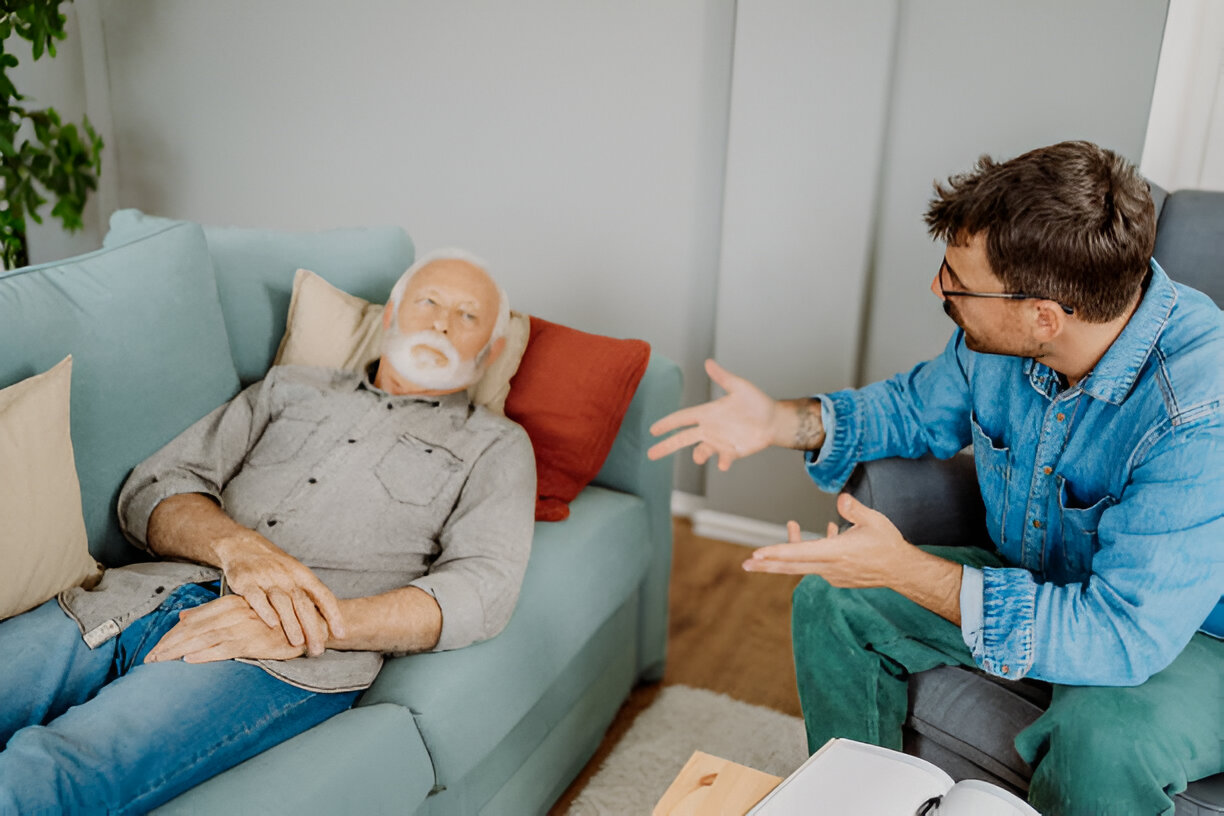
The truth is, sobriety can feel empty at first. The noise, the chaos, the constant distraction of using—it disappears. And what’s left behind can be quiet in a way that’s almost unbearable.
The silence after substance use can feel louder than the addiction itself. But those empty spaces aren’t the end of you—they’re the beginning of something else. At Titan Recovery Centers’ PHP in Las Vegas, those gaps get filled with connection, structure, and the kind of support that makes sobriety less lonely.
Why Do I Feel So Empty After I Stop Using?
Because for so long, substances filled every corner of your life. They weren’t just about getting high or drunk—they were about filling time, avoiding pain, numbing emotions, or even creating a sense of belonging. When substances are gone, the absence feels massive.
That emptiness isn’t proof that you can’t recover. It’s proof that your brain and body are recalibrating. You’re learning how to sit in the quiet, and that’s a skill most people never practice until recovery demands it.
How Does PHP Help With Loneliness in Recovery?
A Partial Hospitalization Program is about more than therapy sessions. It’s about building community, routine, and belonging. In early recovery, isolation is one of the greatest risks for relapse. PHP counters that by giving you consistent connection and structure every single day.
Through group therapy, one-on-one sessions, and shared daily routines, you start to feel like you’re not the only one walking through this transition. People in the room are dealing with the same fears, the same discomfort, and the same need to fill the spaces left behind. Slowly, loneliness gets replaced by connection.
What If I Don’t Know How to Connect Without Substances?
This is one of the most common fears in early sobriety. Many people feel like they lost the manual for connection. Substances became the glue that held conversations, friendships, and even self-confidence together. Without them, you may feel stripped bare.
That’s why PHP is so valuable. In the program, you’re guided to relearn what connection looks like. Therapists help you practice open communication, regulate emotions, and build relationships that aren’t built on intoxication.
You don’t just hear about connection in theory—you experience it in real time. You learn how to trust others again. And just as importantly, you learn how to trust yourself.
How Long Does It Take to Feel Less Empty?
There’s no universal timeline. For some, the fog begins to lift in weeks. For others, it takes longer. The important thing isn’t speed—it’s consistency.
In PHP, you’re showing up daily, committing to the process even when it feels awkward or slow. Over time, that emptiness begins to transform. What felt like a hole starts to feel like open space—room you can fill with healthier relationships, new interests, and a stronger sense of self.
It’s not about rushing through recovery. It’s about allowing the process to work long enough for your heart and mind to heal.
The Power of Structure in PHP
One of the biggest challenges in early recovery is time. Without substances, you suddenly have hours you don’t know what to do with. That time can feel heavy.
PHP provides a schedule that helps fill those hours with purpose:
- Daily group therapy for connection and shared healing
- One-on-one counseling for deeper personal work
- Skill-building sessions focused on relapse prevention, coping, and emotional regulation
- Holistic practices like mindfulness or art therapy to explore new ways of grounding
This rhythm not only keeps you from drifting back into old patterns, it creates new habits that last beyond the program.
Can PHP Really Help Me Stay Sober Long-Term?
Yes. PHP is designed to bridge the gap between inpatient intensity and outpatient flexibility. It’s not about babysitting you—it’s about equipping you.
By the time you leave, you’ve practiced real-world skills:
- Identifying triggers before they explode
- Managing cravings without white-knuckling
- Building connections with others in recovery
- Replacing old routines with healthier ones
These are the building blocks of long-term recovery. And because you’re surrounded by others doing the same work, you don’t leave PHP alone—you leave with a support system.
What About People in My Area—Do They Have Access to PHP?
Absolutely. Recovery support isn’t just for people right in the city center. Whether you’re in Las Vegas or nearby, help is within reach. Many people begin looking for PHP in Henderson, NV or explore options near North Las Vegas. For others, programs in Spring Valley may be closer.
Wherever you live in Clark County, Titan Recovery Centers offers care that feels local and personal. The empty spaces in your life don’t have to stay empty—connection is closer than you think.
What If I’m Scared to Let Go of the Silence?
That’s okay. The silence can feel safe, even when it hurts. It’s predictable. Letting people in feels vulnerable, even risky.
But the truth is, silence isn’t the same as peace. Connection is where healing happens. PHP doesn’t demand you open up all at once. It guides you, moment by moment, toward connection that feels real, safe, and life-giving.
Filling the Empty Spaces With Connection
Recovery is not about filling the silence with noise—it’s about filling it with meaning. That might look like:
- Rebuilding relationships that addiction damaged
- Discovering hobbies and interests you’d forgotten
- Building routines that make you proud of your days
- Creating new traditions that don’t rely on substances
The empty spaces aren’t proof of what you’ve lost. They’re proof of what you now have room to build.
FAQs About PHP in Early Recovery
What is PHP?
A Partial Hospitalization Program is a structured, intensive treatment program that offers daily therapy while allowing you to live at home.
How many hours per day is PHP?
Most PHPs run 5–6 hours a day, several days a week. At Titan, the schedule is built around creating meaningful structure without removing you from your real life.
Is PHP only for people who already went to inpatient?
Not at all. Many people use PHP as their first structured program, especially if outpatient therapy hasn’t been enough.
Can PHP help if I feel depressed or anxious in early sobriety?
Yes. PHP addresses not only substance use but also the mental health challenges—like anxiety, depression, or trauma—that often accompany it.
What if I relapse after PHP?
Relapse doesn’t erase the progress you made. PHP can be a place to re-engage with treatment, learn from the slip, and keep moving forward.
Do I have to give up my independence?
No. PHP is designed so you can practice recovery in your real environment. You live at home, but you get daily support, accountability, and structure.
Final Word: You Don’t Have to Sit Alone in the Quiet
The empty spaces after substance use don’t mean you’ve lost yourself. They mean you finally have room to rebuild.
At Titan Recovery Centers, our PHP in Las Vegas is designed for this exact moment—for the newly sober person who feels both hopeful and deeply lonely. Healing doesn’t happen in isolation. It happens in connection.
Call (888) 976-8457 to learn more about our Partial Hospitalization Program services in Las Vegas, Nevada.
