

Sometimes the first step toward change is quiet.
It might be a moment after a stressful day when you realize your usual coping habits aren’t helping the way they used to. Or it might be a small thought that keeps returning: What would my life look like if I handled stress differently?
For people who feel sober curious—interested in making healthier choices but unsure where to begin—DBT (Dialectical Behavior Therapy) offers something practical. Instead of demanding dramatic change, it focuses on small, sustainable adjustments that gradually reshape how you respond to stress, emotions, and habits.
Many individuals exploring behavioral change begin learning emotional regulation tools through structured approaches like DBT therapy, which emphasizes skill-building rather than perfection.
Real change rarely begins with a huge breakthrough.
More often, it starts with one small decision repeated often enough that it becomes a new way of living.
Begin With Awareness Instead of Self-Criticism
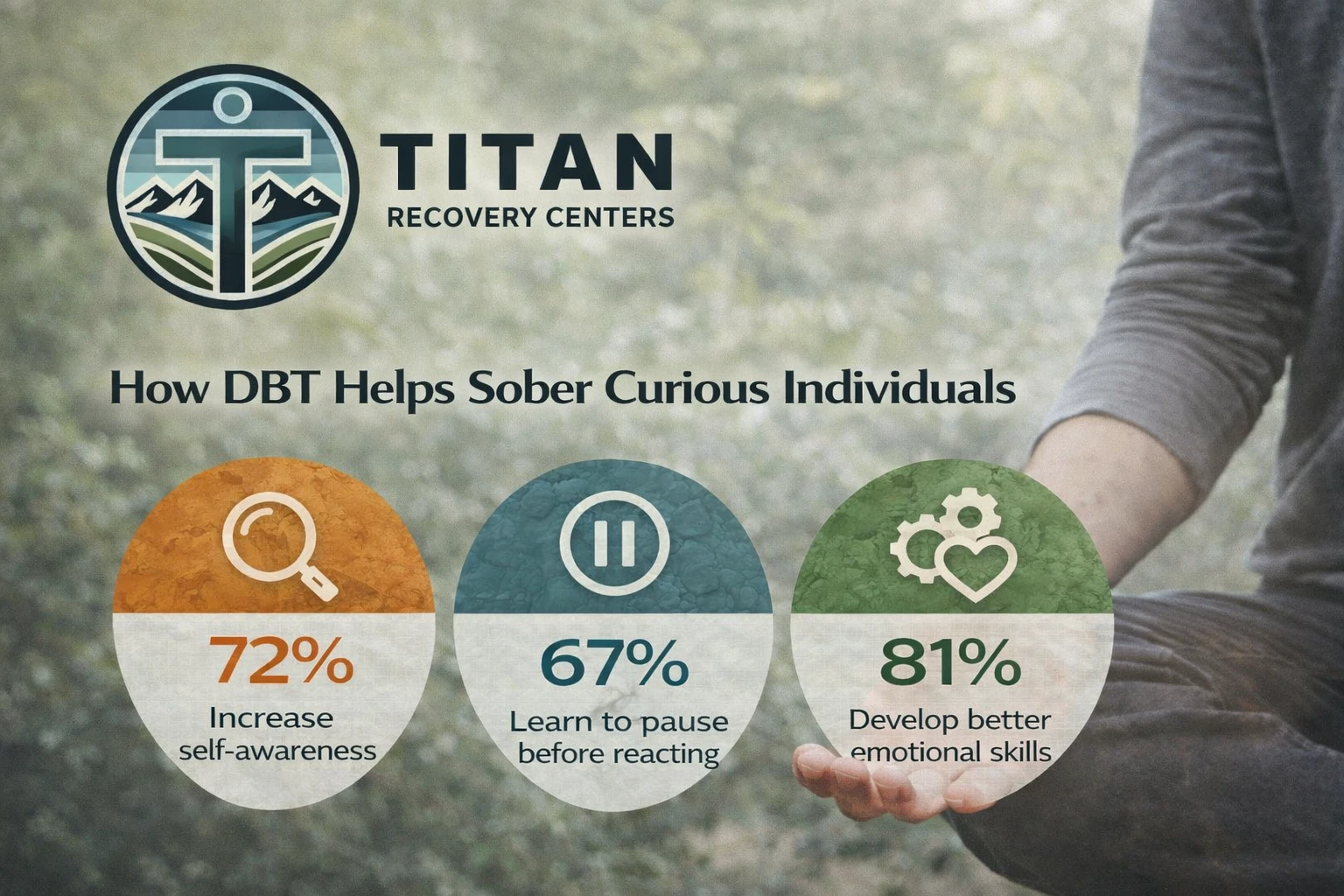
One of the first things DBT teaches is awareness.
When people start questioning their habits, they often fall into self-judgment quickly. Thoughts like “Why do I keep doing this?” or “I should have better control by now” can appear almost immediately.
But criticism rarely leads to lasting change.
DBT encourages something much more effective: noticing.
Instead of labeling behaviors as failures, individuals learn to observe them carefully. When do urges appear? What emotions show up beforehand? What situations make certain habits easier to repeat?
This type of mindful observation removes shame from the equation and replaces it with curiosity.
And curiosity creates room for change.
If you understand the pattern, you can begin adjusting it.
Learn How to Pause Before Reacting
Many habits connected to substance use or unhealthy coping patterns are automatic.
Stress happens. The brain immediately searches for relief. The behavior follows.
DBT focuses on inserting a pause into that cycle.
The pause might be small—a few breaths, stepping outside for a moment, or simply recognizing what you’re feeling before acting.
But that pause matters.
Inside those few seconds, something powerful happens: the brain has a chance to catch up with the emotion.
Instead of reacting automatically, a person can begin choosing their response.
It’s similar to stepping off a fast-moving treadmill that used to carry you without asking where you wanted to go.
Once you step off, you can decide your direction.
Use DBT to Build Small Behavior Shifts
Many people believe that real change requires massive commitments.
They imagine they need to completely transform their lifestyle overnight.
But DBT approaches behavior differently.
Instead of dramatic promises, it encourages small, repeatable actions.
For example:
- Choosing one evening each week to avoid drinking
- Waiting ten minutes before acting on an urge
- Replacing one unhealthy coping habit with a healthier alternative
- Practicing mindfulness during moments of stress
- Talking with someone when emotions feel overwhelming
Individually, these actions might seem minor.
But repeated consistently, they begin to reshape behavior patterns.
Think of change like turning a large ship. It rarely pivots instantly. Instead, small adjustments in direction gradually shift the entire course.
Strengthen Emotional Regulation Skills
Many habits around substances are connected to emotional discomfort.
Stress, loneliness, frustration, and anxiety often drive people toward quick forms of relief.
DBT focuses heavily on emotional regulation.
This means learning how to recognize emotions early, understand what they are signaling, and respond to them in ways that support stability rather than avoidance.
Some DBT strategies include:
- identifying emotional triggers before they escalate
- practicing grounding exercises during stress
- improving sleep and self-care routines
- learning how physical sensations connect to emotions
When emotional regulation improves, the need for escape behaviors often decreases.
People begin to realize they can survive intense feelings without immediately numbing them.
That realization builds confidence.
Practice Distress Tolerance During Difficult Moments
Even with strong emotional skills, difficult days still happen.
Unexpected stress, conflict, or disappointment can appear without warning.
DBT includes a skill set called distress tolerance designed for these exact moments.
Distress tolerance teaches people how to navigate emotional storms without making impulsive decisions that create more harm.
These skills might involve:
- grounding the body through breathing or physical movement
- using sensory techniques like cold water or fresh air
- distracting the mind temporarily until emotions stabilize
- reminding yourself that intense feelings are temporary
The goal isn’t to eliminate discomfort.
The goal is to move through it safely.
When people learn that emotional waves eventually pass, they become less afraid of experiencing them.
Improve Communication and Relationships
Another powerful component of DBT involves communication.
Many people navigating substance use or emotional instability struggle with relationships. Misunderstandings, unresolved conflict, and difficulty expressing needs can create additional stress.
DBT teaches interpersonal effectiveness skills that improve communication and boundaries.
These skills help individuals:
- express feelings calmly and clearly
- ask directly for support
- set boundaries without aggression
- navigate disagreements respectfully
As relationships stabilize, emotional stress often decreases.
Healthy connections provide support systems that reinforce recovery and behavioral change.
When people feel understood and connected, the need to escape emotional discomfort tends to fade.
Allow Progress to Be Imperfect
One of the most important ideas in DBT is dialectical thinking.
Dialectical thinking means accepting that two things can be true at the same time.
You can want to change and still struggle.
You can make progress while having difficult days.
You can move forward even when the process feels slow.
Many people exploring sobriety feel pressure to commit perfectly or not at all.
DBT offers a more compassionate perspective.
Progress isn’t measured by perfection. It’s measured by movement.
Even small steps count.
A single decision repeated enough times eventually becomes a habit.
And habits shape lives.
Access to Behavioral Support in Nevada Communities
Many individuals exploring healthier lifestyle changes look for structured support programs that provide practical tools for emotional stability and long-term behavioral change.
Across Nevada, communities such as Henderson, Nevada and North Las Vegas, Nevada have seen increasing interest in mental health and recovery programs that incorporate DBT-based therapy models.
These programs help individuals develop practical emotional skills while exploring healthier coping strategies in a structured and supportive environment.
For people who feel sober curious but uncertain where to begin, learning DBT skills can provide guidance without pressure.
Sometimes the first step toward change is simply learning new ways to respond when life feels overwhelming.
Frequently Asked Questions About DBT and Behavior Change
What does DBT stand for?
DBT stands for Dialectical Behavior Therapy. It is a structured therapeutic approach that focuses on mindfulness, emotional regulation, distress tolerance, and communication skills.
Can DBT help people who are sober curious?
Yes. DBT can be very helpful for individuals who are exploring their relationship with substances but may not identify as having a severe addiction. The skills focus on emotional awareness and healthier coping strategies.
Do you have to stop drinking completely to start DBT?
Not necessarily. Many individuals begin learning DBT skills while they are still exploring behavioral changes. The focus is on developing healthier responses to stress and emotions.
How long does DBT therapy typically last?
DBT programs vary depending on individual needs. Many structured programs last several months, though the skills can continue benefiting individuals long after formal therapy ends.
What makes DBT different from other therapy approaches?
DBT places a strong emphasis on practical skill-building. Rather than focusing only on discussion, it teaches tools people can apply immediately during stressful situations.
Can DBT help with anxiety or emotional overwhelm?
Yes. DBT is widely used for anxiety, emotional dysregulation, trauma-related challenges, and stress management because it teaches techniques for stabilizing emotions.
Does DBT work for long-term behavior change?
Research shows DBT can be effective for helping people develop healthier coping strategies and maintain long-term emotional stability. The focus on small, repeatable changes supports sustainable progress.
Meaningful change rarely arrives in one dramatic moment.
More often, it shows up quietly—in a pause before reacting, in a new way of handling stress, or in a small choice that moves life in a healthier direction.
Over time, those small decisions build something powerful: a life that feels steadier, clearer, and more intentional.
Call (888) 976-8457 to learn more about our Dialectical Behavior Therapy in Las Vegas, Nevada.
